
The Style DNA: Biometrics, Body Architecture & Fabric Physics
Your Biometric Style Signature
⭐ Rated 4.7/5 by 1,700+ reviewers
Your style is as unique as your fingerprint. We call this your Style DNA.
It is not a vague concept. It is a precise set of biometric data points—measurements, ratios, curvature—that dictate how clothes hang on your frame. It is also a set of psychometric preferences that dictate how you want to be perceived.
This hub explains the core engine of the Kombinlio platform: the mathematical modeling of the human body and the physical simulation of fabric.
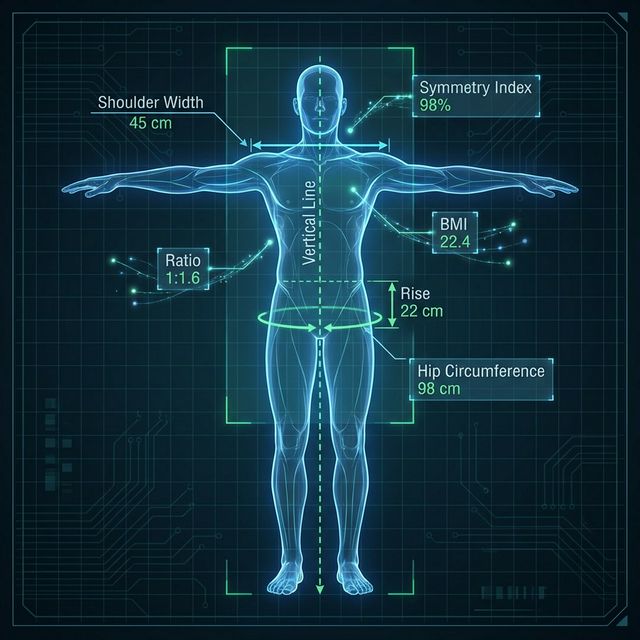
Figure 1: Biometric Data Extraction. Your style profile is built from over 50 specific data points, not just your height and weight.
Body Architecture: The 5 Morphologies
We depart from the simplistic "fruit names" (Apple, Pear) and use structural engineering terms to describe body shapes. Understanding your architecture is the first step to mastering proportion.
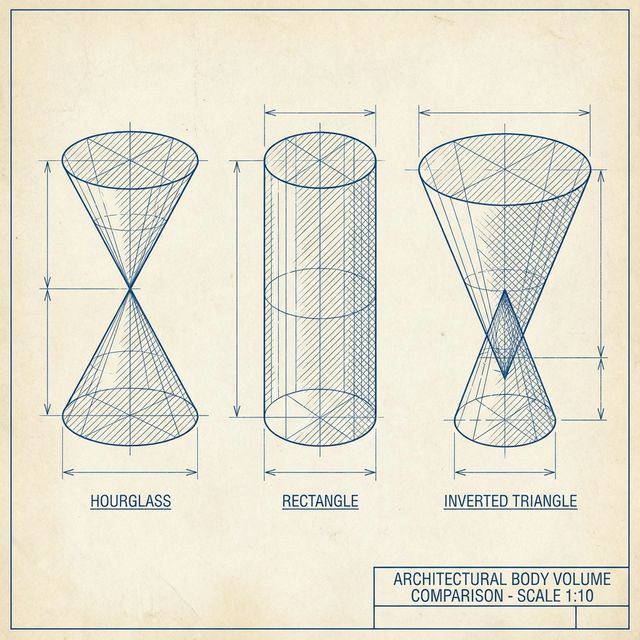
Figure 2: 3D Body Architecture. We analyze your body as a set of geometric volumes to determine where to add or subtract visual weight.
1. The Hourglass (X-Shape)
Balanced shoulders and hips with a defined waist. The goal is to highlight the waistline without adding bulk to the extremities.
Architecture: The Hourglass Body Shape: A Complete Styling Guide
2. The Pear (A-Shape)
Hips are wider than shoulders. The goal is to balance the upper body with volume or detail while streamlining the lower body.
Architecture: The Pear Body Shape: A Complete Styling Guide
3. The Inverted Triangle (V-Shape)
Shoulders are wider than hips. The goal is to soften the shoulder line and add volume to the hips to create balance.
Architecture: The Inverted Triangle Body Shape: A Complete Styling Guide
4. The Rectangle (H-Shape)
Shoulders, waist, and hips are roughly equal. The goal is to create the illusion of curves through peplums, belts, and strategic draping.
Architecture: The Rectangle Body Shape: A Complete Styling Guide
5. The Apple (O-Shape)
Weight is carried in the midsection. The goal is to elongate the torso and draw attention to the legs and décolletage.
Architecture: The Apple Body Shape: A Complete Styling Guide
Structural Analysis Tools
Finding your shape isn't about guessing in a mirror. It's about data.
- Calculator: Body Shape Calculator: Understand Your Silhouette
- Measurement: Body Architecture: The Mathematics of the 5 Body Shapes
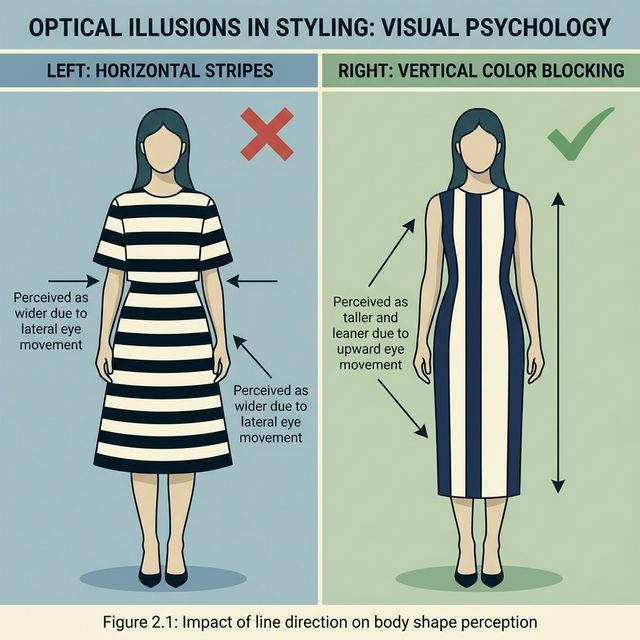
Figure 3: Optical Illusion Engineering. Styling is the art of correcting proportions. We use line direction and color blocking to "hack" the viewer's perception.
Fabric Physics & Material Science
A great cut in the wrong fabric is a bad garment. Fabric physics—weight, drape, stiffness, texture—determines how a piece interacts with your body architecture.
The Drape Index
- High Drape (Fluid): Silk, Rayon, Jersey. Clings to curves. Best for Hourglass and Pear shapes.
- Low Drape (Stiff): Denim, Tweed, heavy Cotton. Holds its own shape. Best for Rectangle and Apple shapes to create structure.
Material Science: Fabric Physics: How Weight, Drape, and Texture Alter Your Silhouette
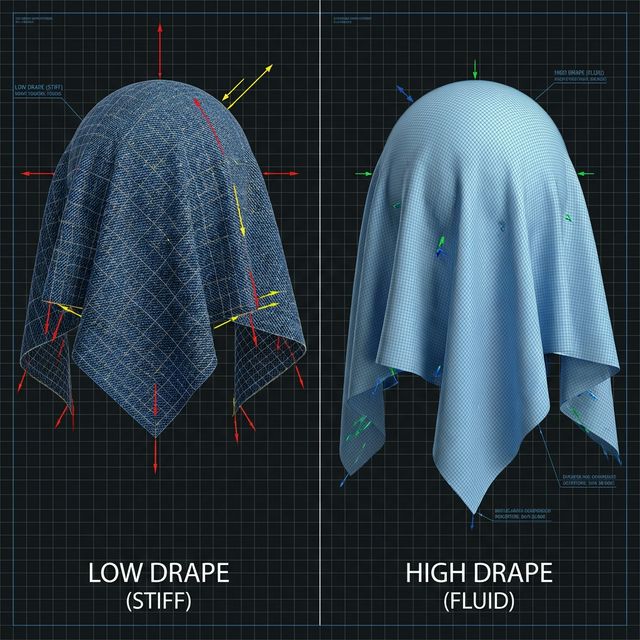
Figure 4: The Drape Index. Fabric physics determine silhouette. Stiff fabrics create structure (hiding curves), while fluid fabrics rely on the body for shape (revealing curves).
The Core Engine
These individual data points—your measurements, your shape, your fabric preferences—are inputs into our central processing unit.
System Overview: Core Features: Generative Try-On & Biometric Style DNA Algorithm: The 5 Body Morphologies: Styling Algorithms for Every Shape

Figure 5: The Algorithmic Flow. How we turn pixels into style. Your photo is processed through computer vision to extract biometrics, which are then matched against thousands of styling rules.
Automating Your DNA
You don't need to be a tailor or a physicist to dress well. The Kombinlio App performs this biometric analysis for you.
When you upload a photo, our computer vision algorithms extract your shoulder-to-hip ratio, vertical line, and waist definition. It builds your comprehensive Style DNA profile and filters every shopping item against your unique biometrics.
📲 Unlock Your DNA: Download the Best Personal Stylist App to get your biomechanically accurate style analysis instantly.
Frequently Asked Questions
Why does the calculator say I'm an Inverted Triangle when I feel like a Pear?
Perception is often skewed. The calculator uses objective measurements (Shoulder vs. Hip circumference). You might have broad shoulders but carry weight in your thighs, confusing the visual. Trust the tape measure.
Can my body shape change?
Yes. Weight gain/loss, pregnancy, and aging can shift your morphology. However, your skeletal structure (bone frame) usually keeps your primary shape consistent. Re-measure every 6 months.
Does fabric weight really matter?
Absolutely. A stiff fabric adds volume; a fluid fabric subtracts it. Wearing a stiff, bulky fabric on an area you want to minimize is the most common styling mistake.
The Algorithms: How Kombinlio Digitizes Style (2026)
Look under the hood of the Visual Hero™ Engine. See how Generative Adversarial Networks (GANs) and Biometric Data Points create your perfect wardrobe.
The Apple Body Shape Guide (2026): Engineering Verticality
Stop hiding. Start engineering. The definitive biometric guide to the Oval (Apple) morphology. Learn the physics of vertical extension and the Empress Waist algorithm.
Best Body Shape Guide (2026): How to Dress for Your Morphology
Stop guessing with fruit names. Learn the science of body architecture. Kombinlio's biometric guide reveals the 5 universal morphologies and the algorithms to dress them.
Body Architecture 101: The Physics of Somatotypes & Ratios (2026)
Beyond simple shapes. Understand the biology of Ectomorphs, Mesomorphs, and Endomorphs, and how the Golden Ratio (1:1.618) dictates your perfect outfit proportions.
Body Morphology & Visual Perception: The Science of Optical Illusions (2026)
Fashion is an optical illusion. Learn how to use Gestalt Psychology, the Helmholtz Illusion, and Focal Point Theory to hack the viewer's perception of your body shape.
Body Shape Calculator: Why Manual Measurement Fails & AI Succeeds (2026)
Stop trusting the tape measure. Learn why manual body shape calculations have a 15% error rate, and how LiDAR-powered AI provides the only accurate biometric analysis.
Fabric Physics: The Engineering of Drape, Weight & Light (2026)
Your outfit is 50% cut and 50% chemistry. Master the science of GSM (Weight), The Drape Index (Fluidity), and Luminance (Texture) to manipulate your visual volume.
The Hourglass Body Shape: A Complete Styling Guide (2026)
The definitive guide to dressing the X-Shape (Hourglass). Learn the physics of 'Curve Containment', how to navigate the 'High Hip Shelf', and why stiff fabrics are your enemy.
The Inverted Triangle Body Shape: A Complete Styling Guide (2026)
The definitive guide to dressing the V-Shape. Learn the physics of 'Shoulder Mitigation', why you must avoid boat necks, and how to use 'Visual Grounding' to balance your silhouette.
The Pear Body Shape: A Complete Styling Guide (2026)
The definitive guide to dressing the Triangle (Pear). Learn the physics of 'Volume Equalization', how to use Boat Necks to widen shoulders, and why the A-Line is your mathematical negative.
The Rectangle Body Shape: A Complete Styling Guide (2026)
The definitive guide to dressing the H-Shape (Rectangle). Learn the physics of 'Illusion Engineering', why belting without volume fails, and how to create curves using structural fabrics.